
There are many ways to manage in-foal mares well and all studs do things differently. The way we do things at Doghill is the way that works best for us, given our set up, facilities and the way we handle our mares.
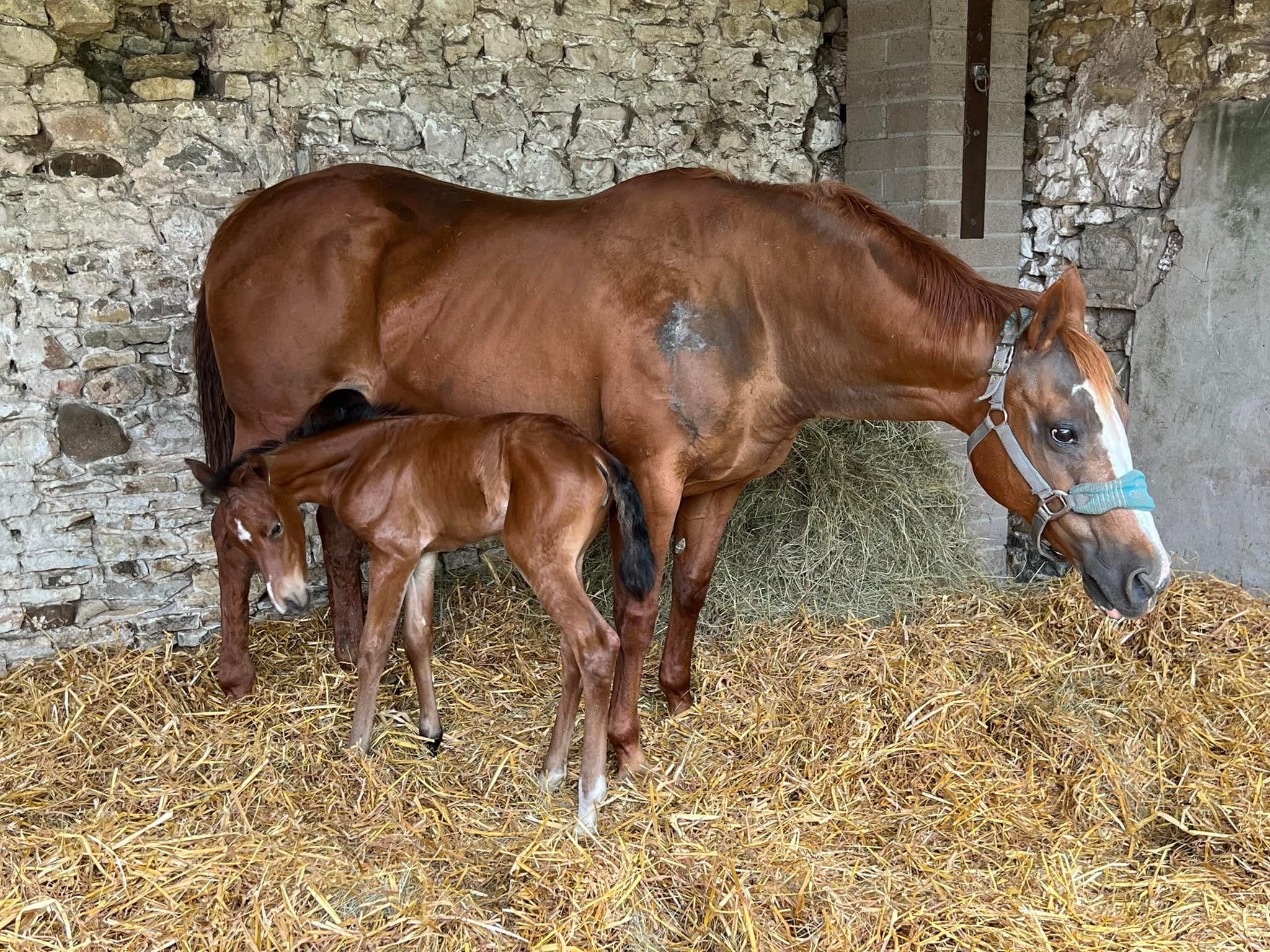


Although all our mares are fully vaccinated, at birth our foals are routinely given a tetanus antitoxin and have an IGG test within the first 24 hours to check that they have had sufficient colostrum from the mare. After 24-48 hours inside following their birth, they’re then turned out into small paddocks (weather dependent!) so that they can find their legs. Depending on the mare and how she’s coping, it may be on their own or with other mares and foals.
When the babies are a few days old, they’re quietly integrated into the herd and by a few weeks old, they’re running as part of a full mare brood band across roughly 50 acres so that they can learn the etiquette of being a horse in a natural herd structure. Although we do intensively handle our babies at birth, we tend to be fairly hands off as they grow in the herd, other than to play with them and give scratches and cuddles. However, because they come in routinely with the mares, sometimes every day depending on what is going on, they get used to being regularly wormed and seeing our vets, farriers, heavy farm machinery, sheep and cows.
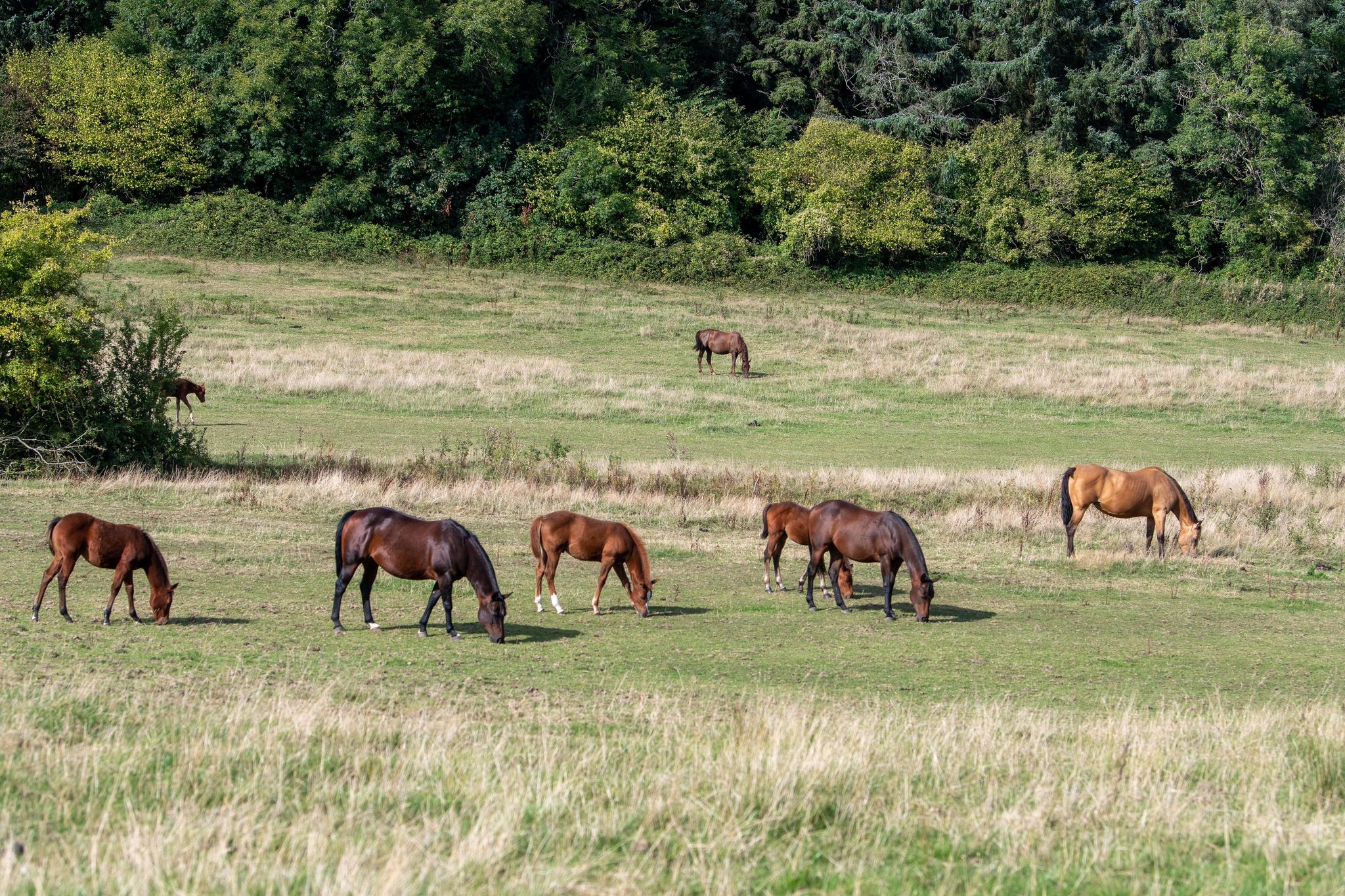


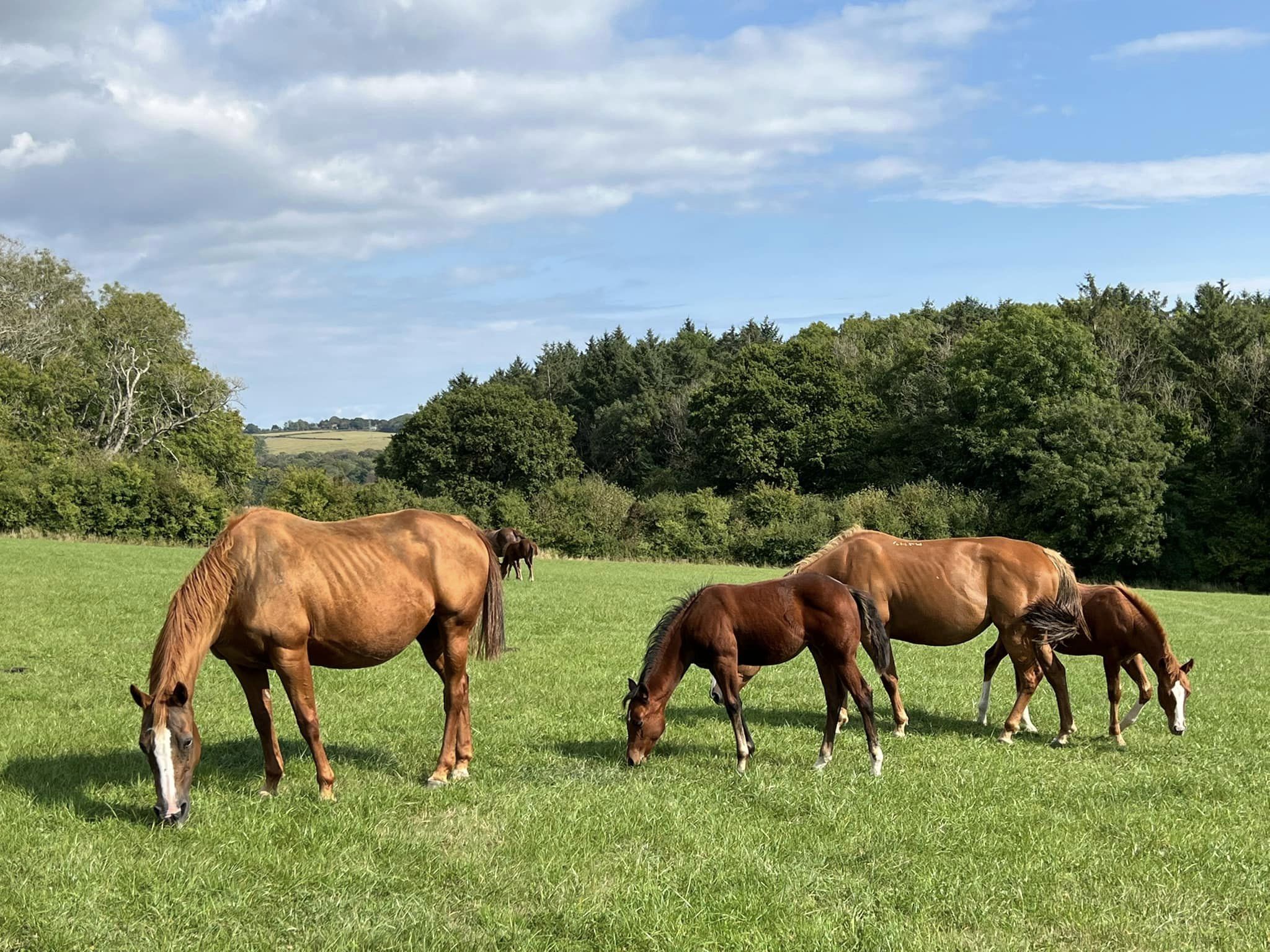
Weaning at about 6 months is when the education really starts. Because we spend so much time just getting to know the foals in the field with our daily checks, we find that they trust us very quickly and so are easy to handle and quick to learn. We wean them in small groups of friends in our loose housing so that they are able to have a couple of “buddies” for company whilst they are learning to live without the constant presence of mum. They then learn to lead in and out of the field and have the training basics put in place. Our foals leave us and go to their new homes picking up their feet, having been handled and trimmed by the farrier, being nicely mannered for a vet, loading on and off trailers, and leading and tying up quietly. Hopefully they’re considered nice youngsters that respect people and what they’re being asked to do.
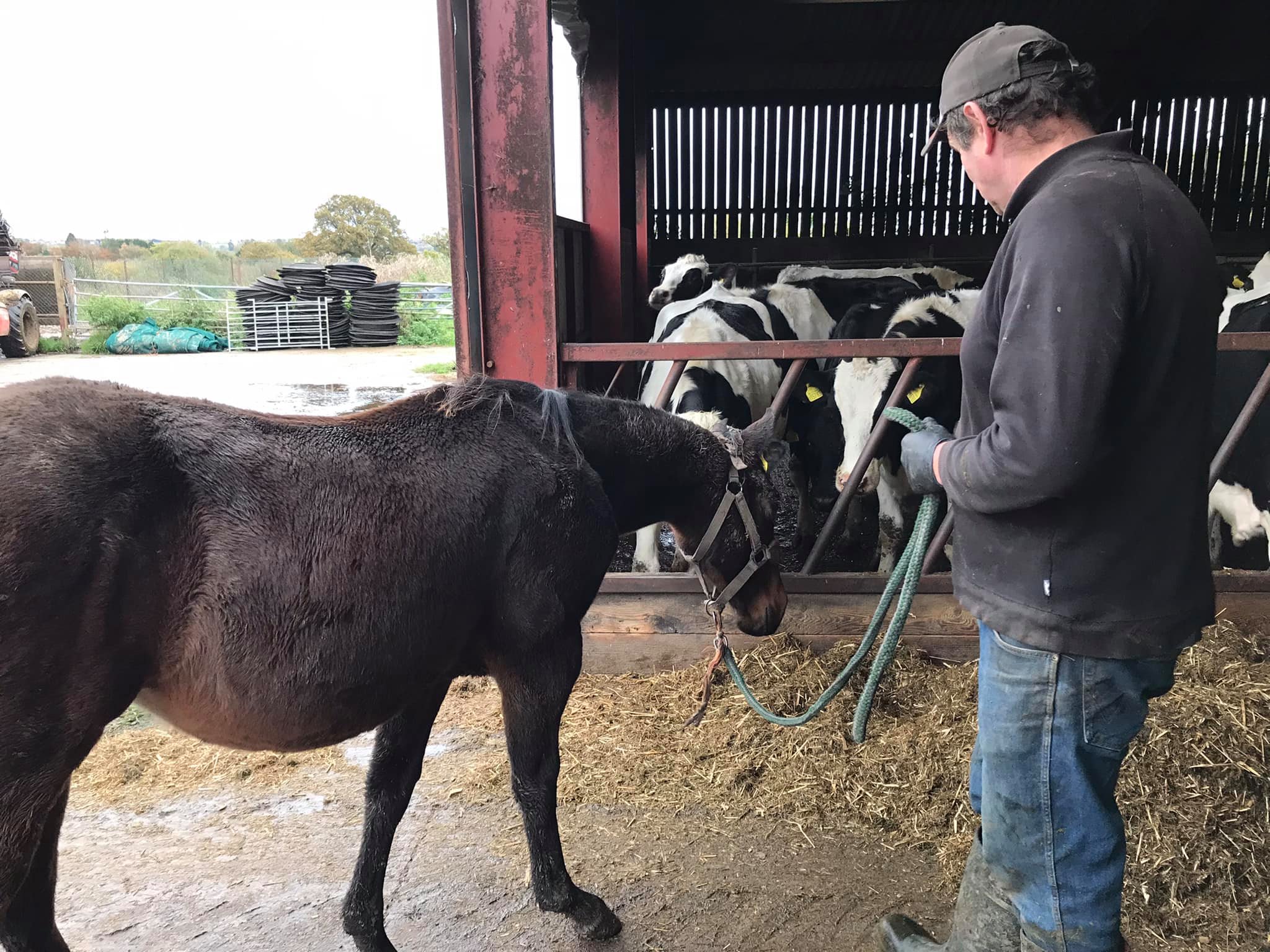

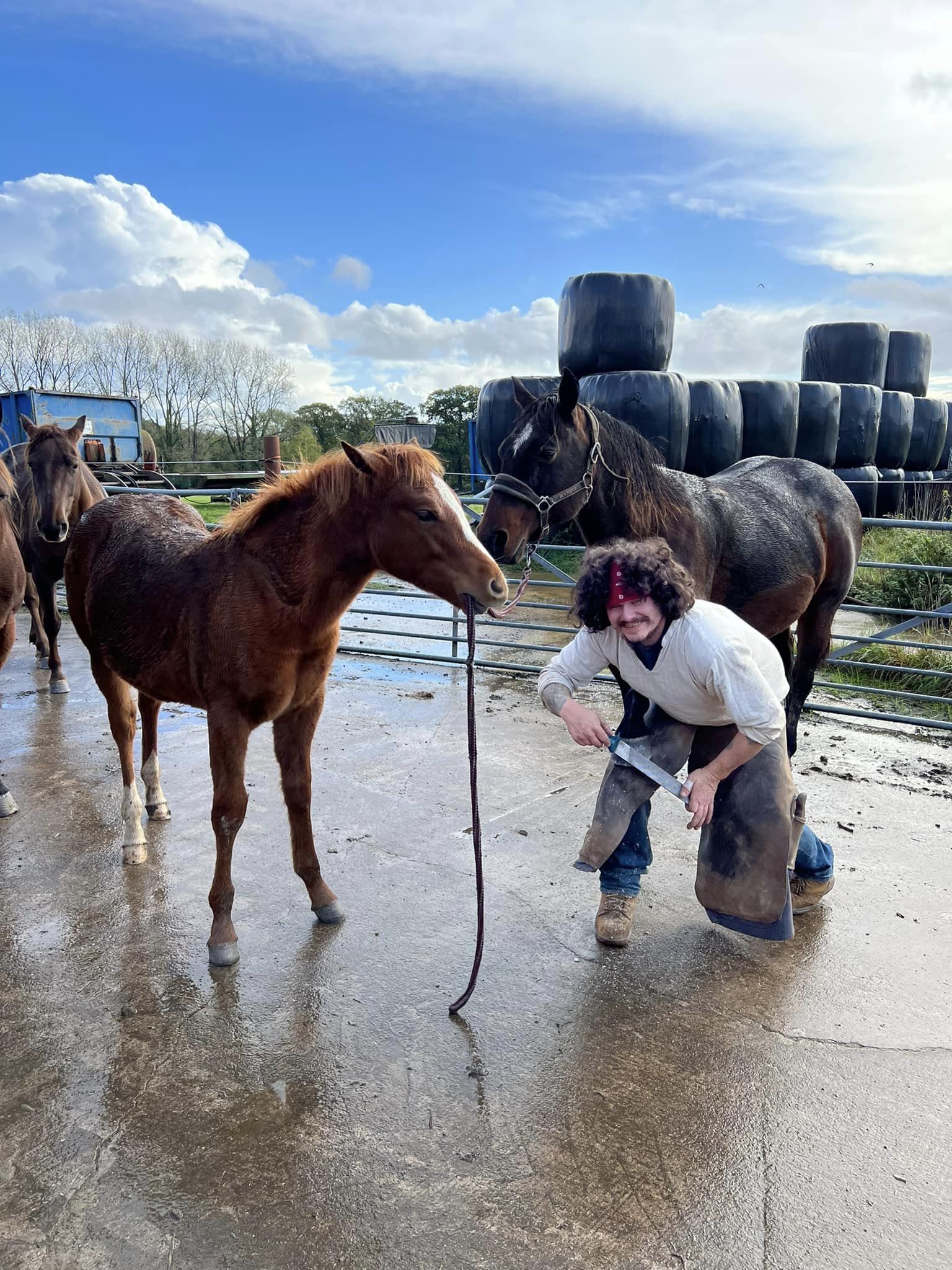
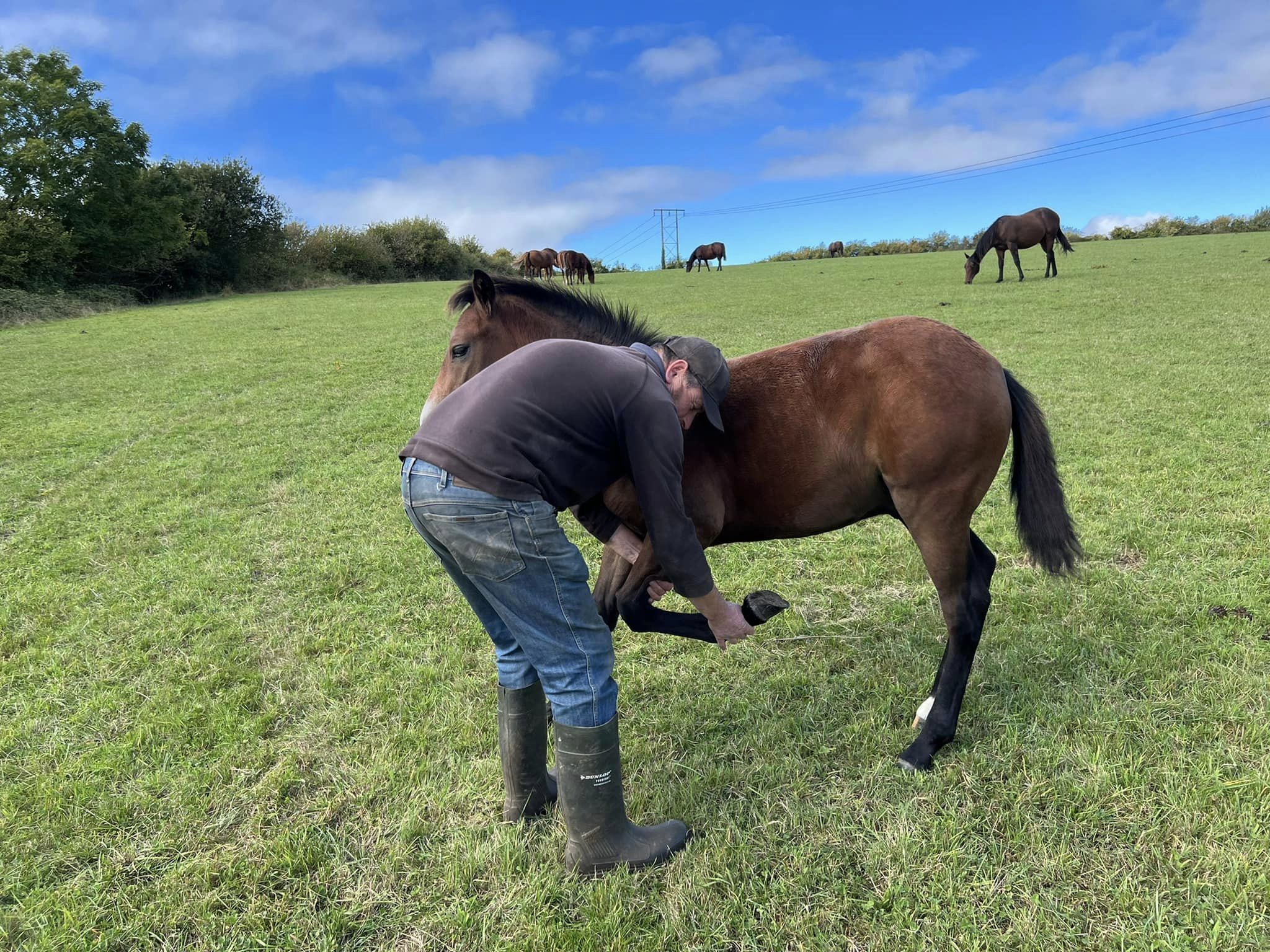
And of course, then there are the ones we keep…
Criteria for a horse to stay at Doghill and within our breeding programme can vary depending on what has been born and a whole host of factors that we couldn’t even put our finger on. Often we’ll change our minds through the breeding season, depending on our future breeding plans and where we’re thinking about taking a particular pedigree line. We tend to run our retained fillies as part of the main breeding herd, so that they can live properly within a herd hierarchy as they grow up.
We also like to let them grow up and develop properly, before backing them during the winter of 4 rising 5 years old. People often question why we back and start our own horses so late, but having seen the damage that starting a horse too young can do, especially in competition, it’s something that we feel quite strongly about. We like them to have a chance to be babies. There’s plenty of time later on to be a grown up horse!
 :
:  :
: